

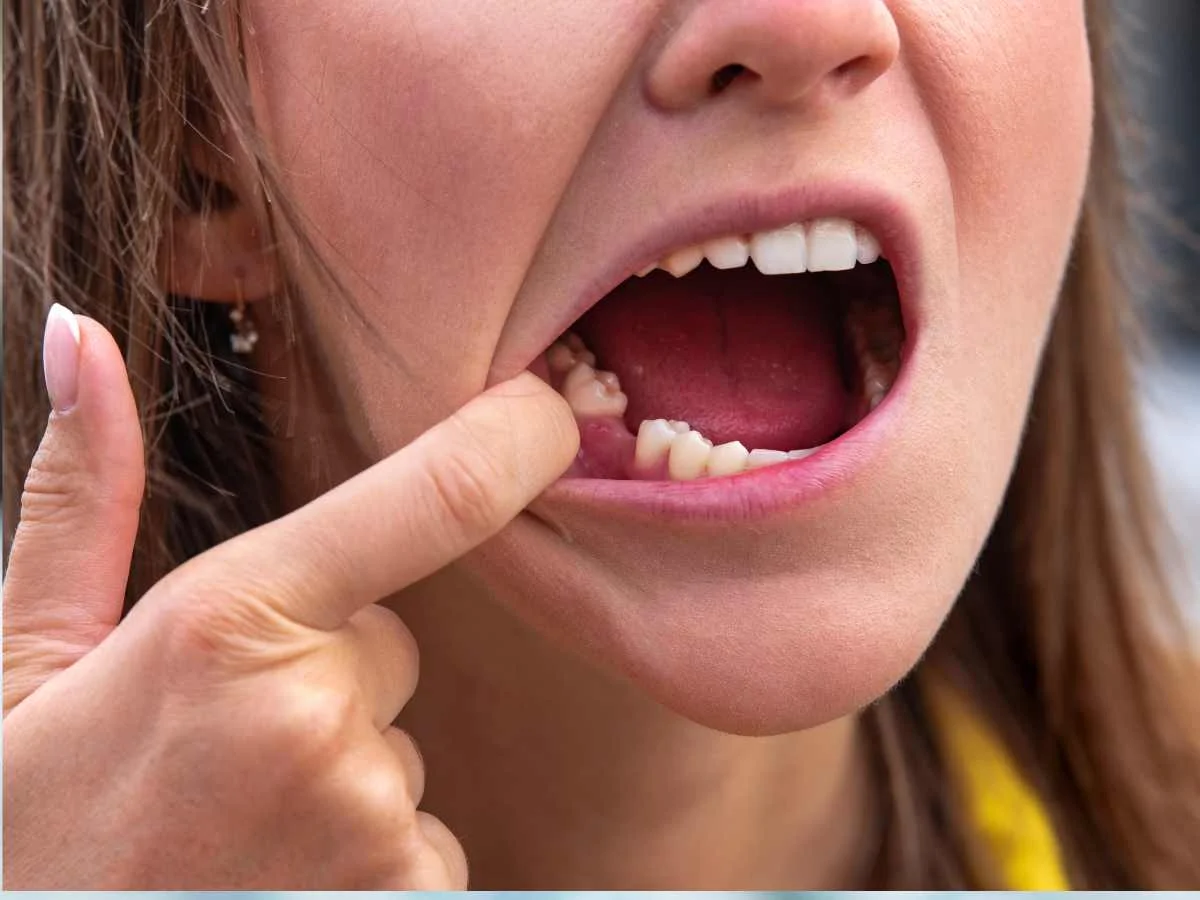

Losing a tooth isn’t always planned. Whether it’s due to decay, trauma, or infection, tooth extraction can sometimes be necessary. But once a tooth is gone, what comes next is just as important. If you choose not to replace it, the gap can lead to more than just a cosmetic issue.
Here’s what you need to know about the consequences of not replacing a missing tooth and why dentists often recommend prompt action after extraction.
Bone Loss Begins Quickly
Once a tooth is removed, the surrounding bone begins to shrink. This process, called resorption, starts within a few months of the tooth extraction without replacement. The bone that once supported the tooth is no longer stimulated by chewing, and it begins to break down.
Over time, this loss of bone can affect nearby teeth, weaken the jaw structure, and change the shape of your face, especially if multiple teeth are missing.
Teeth Start to Shift
Teeth rely on each other for stability. When one is removed and left unreplaced, neighboring teeth begin to drift into the open space. This shifting creates misalignment, bite issues, and uneven spacing. It can also make brushing and flossing more difficult, increasing the risk of decay and gum disease.
Even a single missing tooth can lead to a domino effect across your smile if left untreated.
Bite Problems and Jaw Stress
When teeth shift out of position, your bite can become uneven. This imbalance puts extra stress on your jaw joints and muscles. Over time, it may lead to TMJ issues, headaches, or pain when chewing.
The longer you wait to replace a missing tooth, the more likely it is that your bite will change—sometimes in ways that require additional dental work to fix.
Difficulty Chewing and Speaking
Missing teeth, especially in key areas like the front or back molars, affect your ability to chew certain foods. You might start avoiding harder or chewier foods, which can impact nutrition.
Speech can also be affected. Certain sounds rely on tongue and tooth contact, and without the right structure in place, pronunciation may suffer.
Appearance and Self-Confidence
Gaps in your smile can affect how you feel about your appearance. While this is often seen as a cosmetic concern, it can impact social comfort, self-esteem, and even your willingness to smile or speak naturally.
Replacing the tooth helps restore not just function but also confidence in your smile.
Tooth Replacement Options
There are several solutions available to replace a missing tooth, including:
Dental Implants: A durable, natural-looking option anchored in the jawbone
Dental Bridges: A fixed prosthetic supported by neighboring teeth
Partial Dentures: A removable option for one or more missing teeth
Your dentist will recommend the best solution based on your needs, oral health, and budget.
Contact Us
At Bel Canto Dental, we help patients make informed choices after tooth extraction. If you’ve had a tooth pulled, don’t wait too long to explore your options.
Our team offers clear guidance on the best way to replace a missing tooth and prevent long-term issues from developing.
Book your appointment today and protect your oral health for the future.
 Like us on Facebook